
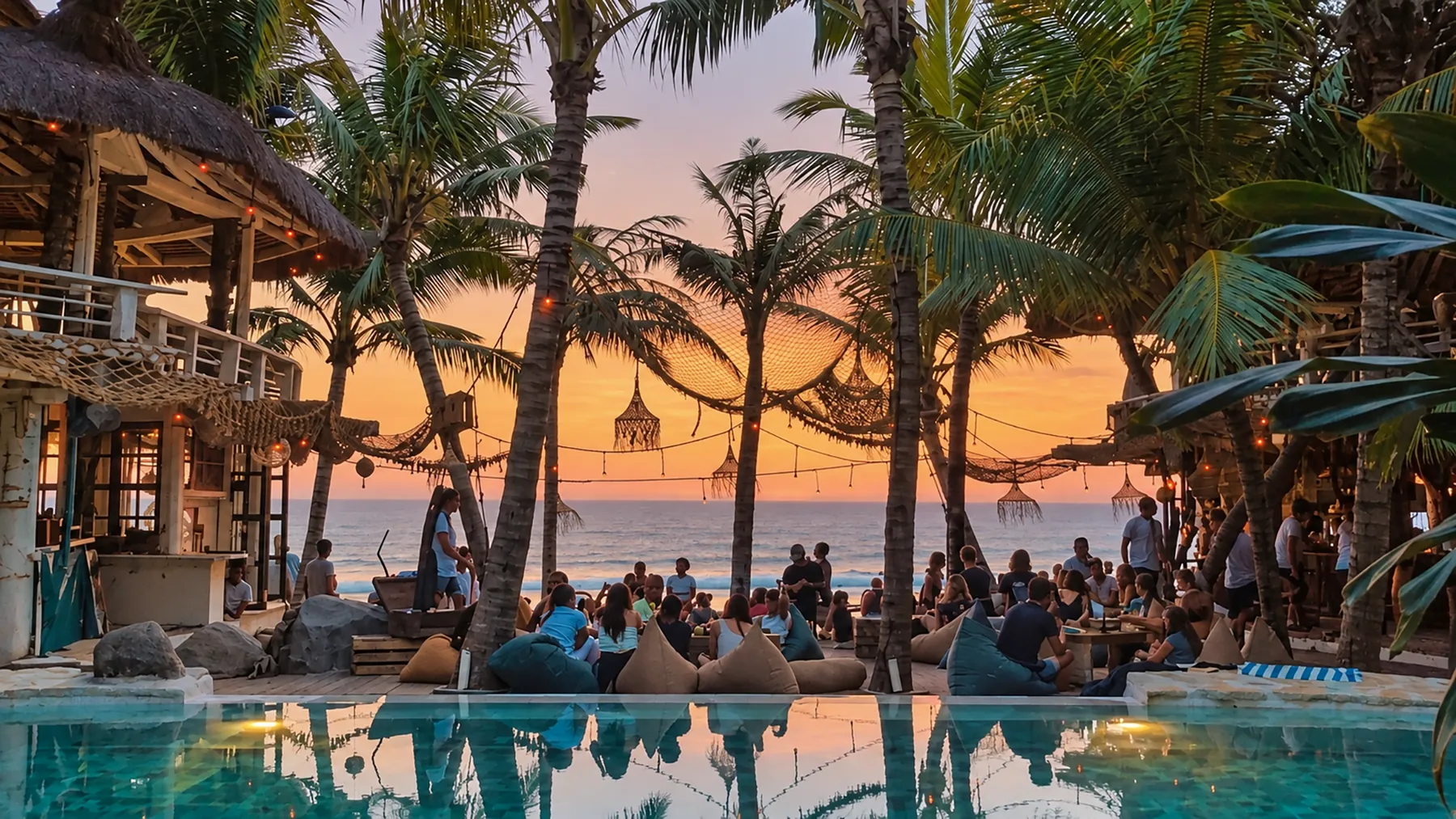
Canggu villas, Bali
A direct guide to Bali's busiest beach town — what it's like, where to eat, who it suits.
Our villas in Canggu.
We personally inspect every villa we list. Only a select few make the cut — for their design, location and the way they make you feel in Bali.
Handpicked by locals
We know every corner of Canggu
Best price, guaranteed
Direct rates, no hidden fees or extra charges
Local concierge
24/7 support before, during and after your stay
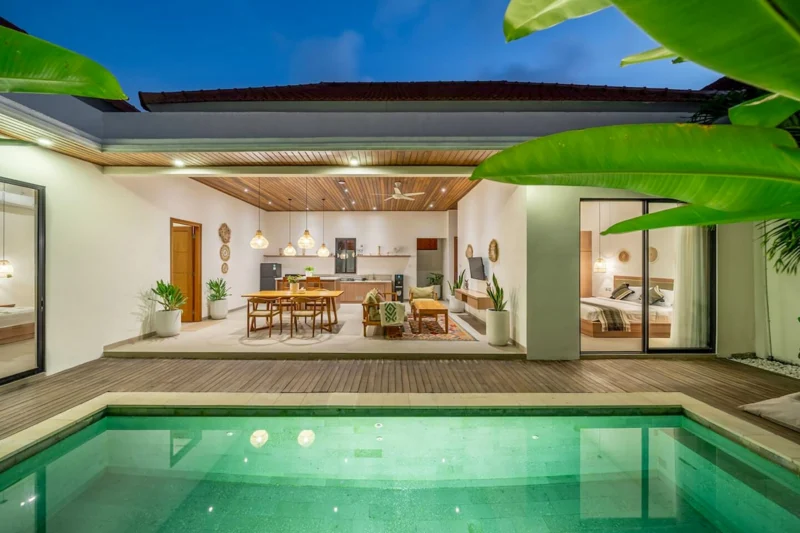
Villa LaBumbak 02
Morning coffee at a rice-field café, afternoon surf in Canggu, dinner in Seminyak — all within 10 minutes of your front door. Villa La Bumbak…
 Up to 40% off
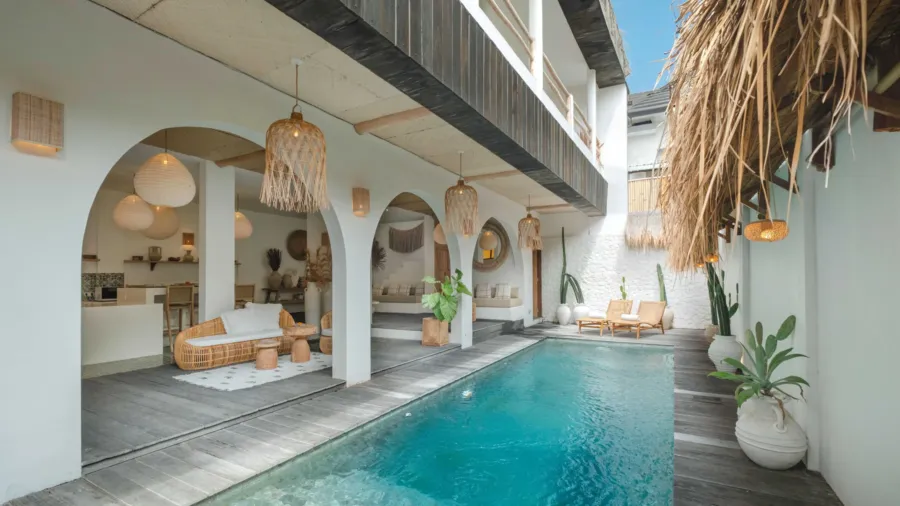
Villa Madissa — 3BR Modern Villa with Lap Pool in Berawa
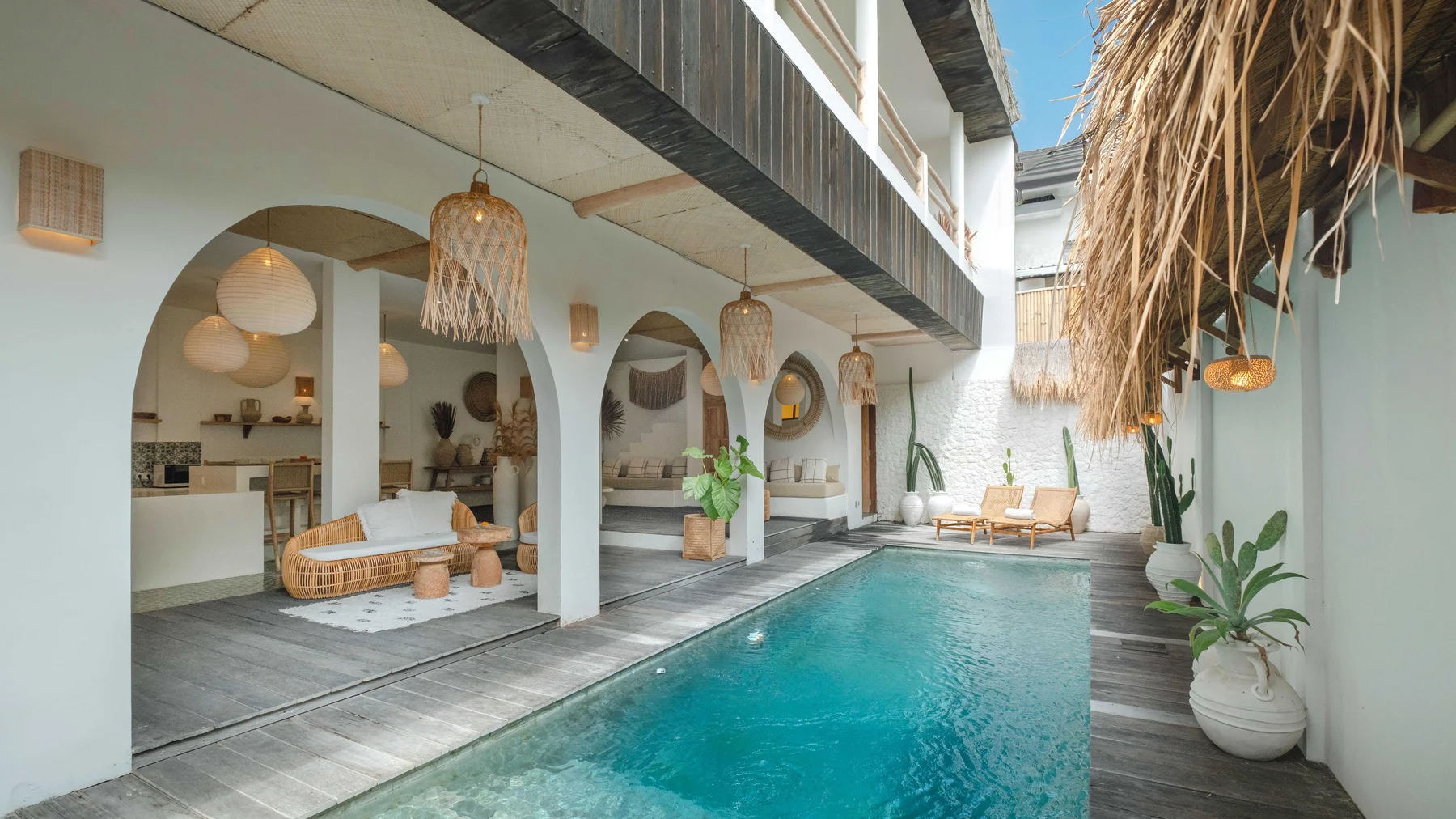
Villa Madissa is a brand-new three-bedroom sanctuary in Berawa, Canggu, built over two storeys in a clean, minimalist white style warmed by rattan and timber and personal Balinese touches. It sleeps six in three king…
 Up to 20% off
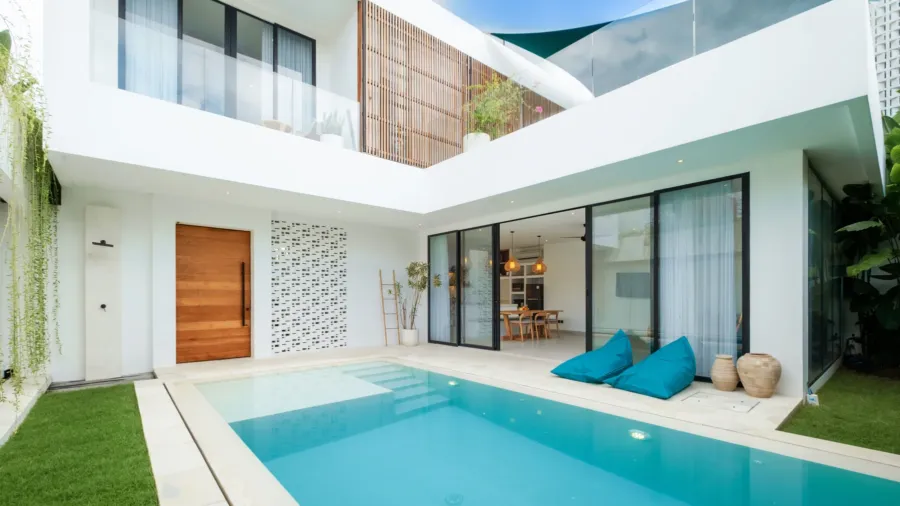
Villa Loona Palm 2 — 2BR Modern Pool Villa with Private Pool & Enclosed AC Living in Canggu
Loona Palm Villa 2 is a light, white, two-bedroom pool villa just minutes from Canggu’s eat-street and beaches. Glass doors fold back to a private pool in a walled courtyard, so you get the indoor-outdoor…
Not sure which villa is right for you?
Browse every Canggu villa we list — or tell us what matters (bedrooms, budget, walk-to-beach) and we'll match you to the right place, no pressure.
Why stay in Canggu.
Canggu is the part of Bali that grew up in the last decade. What was a sleepy surf village in 2010 is now the island's most-visited area for travellers in their twenties and thirties — surfers, remote workers, café-hoppers, anyone who wants to be in the middle of the energy. The beaches face the Indian Ocean, the cafés outnumber the temples, and there's a yoga studio every two blocks. If you're picturing rice fields and quiet, that's Ubud. Canggu is the other end of the island's spectrum.
Most days look the same here: surf at Echo Beach or Batu Bolong before 9am, breakfast at one of the cafés along Berawa, an hour or two of laptop work or pool time, a scooter ride to dinner, sundowners somewhere on the sand. The roads are dense — Jl. Raya Canggu is essentially the main artery and can sit at a standstill at 6pm. Everything is 5–15 minutes by scooter; almost nothing is sensibly walkable.
Within Canggu itself, where you stay matters. Berawa is the café-and-laptop pocket — flat, dense, walkable in parts, closest to Crate and the bigger beach clubs. Batu Bolong is the surf-and-yoga heart, the most photographed strip, also the loudest. Echo Beach sits at the western edge — better waves, fewer cafés, a 10-minute scooter to dinner. The Pererenan border (north Canggu, just past Mason) is where the noise drops and you start seeing rice fields again. We've personally visited every villa we list, so we can usually tell you which pocket actually suits your trip before you book.
Canggu has changed a lot in the last few years and it's still changing — slowly settling into something more grown-up than the spring-break energy it had pre-pandemic. There are more long-stay expats, more health-led businesses, more proper restaurants. Music still carries late on weekends, but that's a feature for most people who come here, not a bug. If you want the Canggu vibe at a lower volume, Pererenan is five minutes north with the same beach access. If you want residential calm with Canggu cafés still on your doorstep, Umalas is the call. Browse our villas in Canggu to see what's available across the different pockets. The request we get most is "near the sand" — two that answer it: Villa Moana, a six-bedroom a few hundred metres back from Echo Beach with a rooftop yoga shala, and M Villa 318, a five-bedroom a five-minute walk from Batu Bolong. Staying longer? Across Canggu a two-bedroom runs IDR 25–60M a month and a three-bedroom IDR 40–95M — see what a Bali villa costs monthly for the full breakdown, or browse our long-term rentals in Canggu.
Canggu is what happens when a surf village stops sleeping.
Where to eat & drink.
-
Breakfast
Crate Café (Berawa)
Canggu's flagship breakfast café and the easiest way to understand the place. Long queues at 9am, oversized portions, laptops and people-watching in equal measure. Go before 8am or after 11am to skip the wait, or send someone ahead to grab a table.
-
Dinner
Mason (Pererenan border)
One of the more grown-up rooms in north Canggu. Wood-fired Mediterranean cooking, courtyard seating, sensible wine list. Reservations matter Thursday through Saturday — WhatsApp them a day ahead. Worth the trip even if you're staying in Berawa.
-
Beach club
La Brisa (Echo Beach)
Reclaimed-wood beach club at the south end of Echo. Best between 4pm and sunset; the cocktails are the main draw rather than the food. Pay for a daybed if you want shade — the bar tables go fast on weekends. The Sunday market here is one of the highlights of the Canggu week — local makers, food stalls and live music from late morning.
-
Sunset / coffee
Times Beach Warung (Berawa)
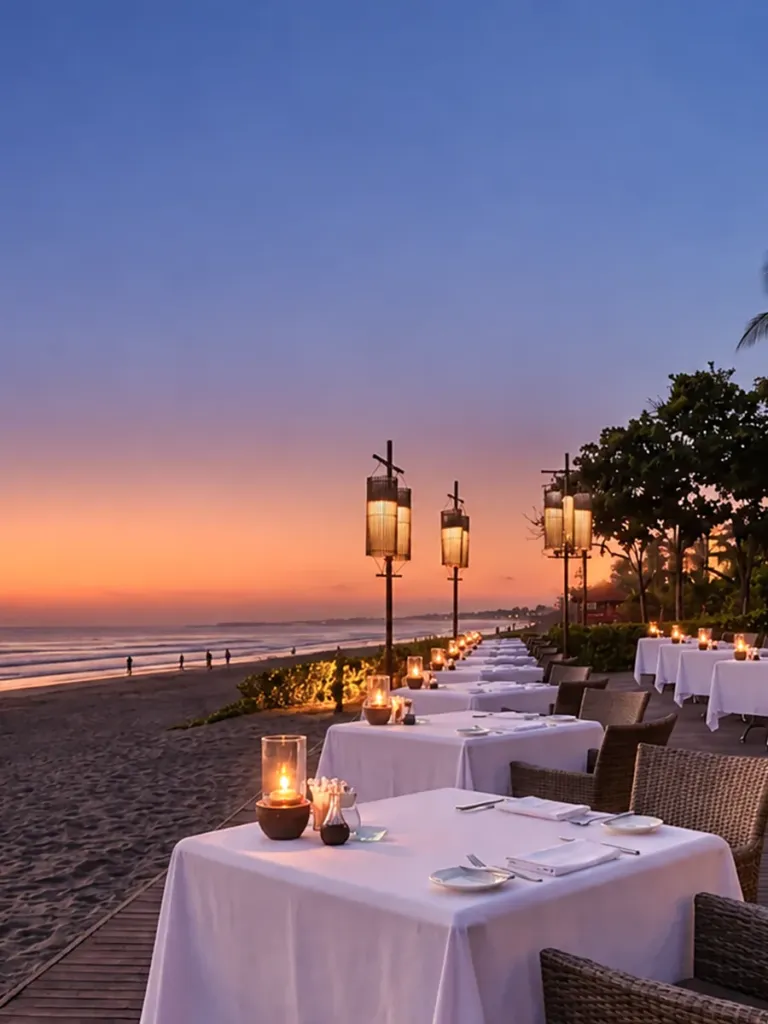
Used to be the insider's sundowner — these days everyone knows about it, so expect a crowd from 5pm. The setting still earns it: drinks on the sand, sunset over the water, no entrance fee. It's a strong morning coffee stop too, though it gets busy at peak times. For sunset, aim to arrive by 4.30pm to grab a table.
-
Local
Warung Bu Mi (Berawa)
A Berawa local favourite — proper home-style Indonesian cooking, nasi campur the standout. Cheap, fast, authentic. Cash only and busy at lunch, so go a touch before noon or after 1pm to skip the queue.
-
Drinks
Old Man's (Batu Bolong)
The old surf-bar institution and the town's pressure-release valve. Half tourists, half regulars, packed on Wednesdays for live music. It's not the best food in Canggu, but everyone ends up here at some point — useful for one of those nights.
What to do here.
-
01
Surf Echo Beach
5 min from BerawaReef break, intermediate to advanced. Sets break left and right, busiest 7–9am. Beginners should head a few hundred metres south to Batu Bolong's beach break instead — easier sand bottom, far more forgiving, lessons run from IDR 400,000.
-
02
The Practice yoga (Berawa)
From IDR 300,000/classOne of the more serious yoga schools on the island. Drop-in classes daily, silent retreats monthly. Less Insta-yoga, more actual practice. Book a day ahead online — popular classes fill by mid-morning.
-
03
Tanah Lot temple
20 min northSea-cliff temple, crowded but worth seeing once. Aim for 30 minutes before sunset, walk the cliff path past the smaller shrines, leave before the bus tours roll out, and eat dinner back in Canggu rather than at the temple food court.
-
04
Samadi Sunday market (Berawa)
Free, Sunday morningsThe local farmers' market crowd. Organic produce, breakfast stalls, live music after 10am. Probably the most relaxed three hours you'll have in Canggu all week — and the closest thing the area has to a community hub.
-
05
Day trip to Tegalalang rice terraces
90 min, hire a driverThe classic Ubud rice-terrace photo op. Long drive each way, but pairs well with a Ubud day — Tegalalang in the morning, lunch at Nusantara by Locavore or Hujan Locale, Sacred Monkey Forest after, back to Canggu by sunset. A driver for the day runs IDR 500,000–800,000.
Is Canggu for you?
Our opinion, not guest ratings.
Canggu at a glance.
-
Pool villa, booked 4 months ahead
IDR 2.3–3.2M / night
2BR from about IDR 2.3M/night in Umalas, IDR 3.2M in Canggu proper; Christmas–New Year runs 60–100% higher
-
Staying a month or more
IDR 25–60M / month
Across Canggu a two-bedroom villa runs IDR 25–60M a month and a three-bedroom IDR 40–95M — from our analysis of 1,500+ live long-term listings across our own portfolio and two Bali agencies, reviewed August 2026
-
Getting here
30–45 min
30–45 min from the airport by car; scooter is the local default at IDR 80,000–130,000/day
Who Canggu is not for.
If absolute quiet is the top priority, Canggu probably isn't the right base. The villas themselves are walled gardens and very peaceful inside, but step out on a Friday evening and you're in scooter traffic and beach-club music — and that's part of why most people come. The other thing worth knowing: the beaches have strong currents most of the year, so younger kids swim in the villa pool, not the sea. None of this is a deal-breaker — picking the right pocket of Canggu (or Pererenan just north) solves most of it. If you want jungle and slow mornings instead, Ubud will treat you better. Many first-time Bali visitors split a two-week trip between Canggu and one calmer area — that combination tends to land best.
Canggu vs neighbouring areas.
Quick guide to which neighbouring area might fit better depending on what you're after.
| Area | Vibe | Crowd | Pace |
|---|---|---|---|
| Canggu | Surf town, café-heavy | Busy | Constantly on |
| Pererenan | Quieter Canggu, rice fields | Low-key | Slower mornings |
| Umalas | Residential, leafy | Local + expat | Calm |
| Seminyak | Polished evenings, beach clubs | Holiday crowd | Grown-up |
Common questions.
Is Canggu safe?
Canggu is among the safer areas in Bali — and Bali itself is one of the safer destinations in Southeast Asia. Apply the common sense you would anywhere: don't ride a scooter with a phone in your hand or a bag dangling off the handlebars, especially at night, and don't leave valuables visible in cafés when you step away. The road is the only thing to take seriously if you've never ridden a scooter before — Bali traffic is its own thing. If you're not confident on a scooter, Grab (Bali's Uber) and private drivers cover everything you'd want to do.
How do I get around in Canggu?
Three options. Scooter is the fastest and how most travellers move — daily rentals run IDR 80,000–130,000 with helmet. Grab and Gojek ride-hail apps work well and are cheap, around IDR 30,000–80,000 for most trips inside Canggu. Private drivers are useful for day trips further out — IDR 500,000–800,000 a day with a car and English-speaking driver. Walking only really works inside Berawa or along the beach path.
Best time of year to visit Canggu?
May through September is dry season — sunny most days, less humid, the most popular months. October and April are shoulder months and a sweet spot if you want quieter cafés and fewer crowds at the surf breaks. November to March is wet season — short, intense afternoon rains, lower prices, a different (greener, lusher) Canggu. Avoid late December if you dislike crowds; Christmas to New Year is the busiest two weeks of the year and prices roughly double.
Is Canggu good for families?
Yes, with a bit of planning. Plenty of young families spend weeks in Canggu every year — older kids and teens love the cafés, beaches and pool culture, and the surf schools at Batu Bolong are excellent for confident swimmers from about age eight. With toddlers and babies it takes more setup: pool fences and childproofing kits rent locally and most villas can install them before arrival, and a private driver beats scootering with car seats. Pick a villa on a quieter side road — Pererenan border, inside Berawa, or Umalas rather than on Jl. Raya — and Canggu works well for families. We can arrange the childproofing gear and the driver ahead of time if you let us know.
How much should I budget?
For a couple in a private pool villa booked three to four months ahead: from about IDR 2,300,000/night for a two-bedroom in Umalas (next door, residential), from IDR 3,200,000 for a two-bedroom in Canggu proper, and open-ended at the top — a six-bedroom near Echo Beach runs IDR 8–12M. Christmas to New Year is 60–100% higher and the popular villas are gone three to four months out, so book those weeks early. Booking direct gets our best rate — never higher than the booking sites, with no hidden fees or extra charges. Eating out is cheap by Western standards — IDR 200,000–450,000 for two at a warung, IDR 750,000–1,500,000 at the nicer dinner spots, around IDR 350,000 a head at most cafés including coffee. Add roughly IDR 450,000–900,000/day for transport and incidentals. Long-stay rates drop significantly — see our long-term rentals if you're staying a month or more.
Do I need to pre-book restaurants?
For the popular dinner spots — Mason, La Lucciola, Sea Circus, the Pererenan strip — yes, especially Thursday through Saturday. Beach clubs (La Brisa, Potato Head) take walk-ins for the bar but reservations for daybeds. Cafés and warungs don't take bookings. WhatsApp is the easiest channel — most places reply within an hour. Our team can help with bookings if you'd rather not chase it yourself.


Find the right Canggu villa for your stay
Talk to our local team — fastest answers via WhatsApp.