
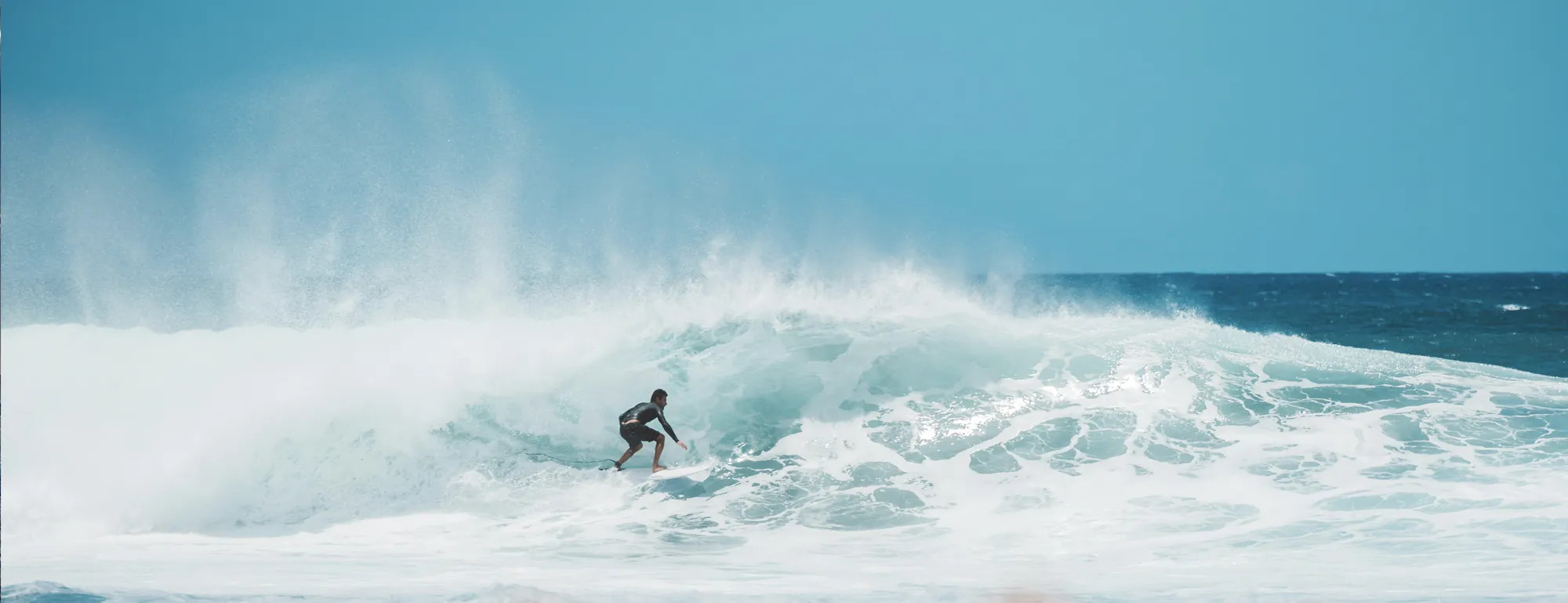
Uluwatu villas, Bali
A direct guide to Uluwatu — Bali's cliff-and-surf peninsula. What it's like, where to eat, who it suits.
Our villas in Uluwatu.
We personally inspect every villa we list. Only a select few make the cut — for their design, location and the way they make you feel in Bali.
Handpicked by locals
We know every corner of Uluwatu
Best price, guaranteed
Direct rates, no hidden fees or extra charges
Local concierge
24/7 support before, during and after your stay
 Up to 10% off
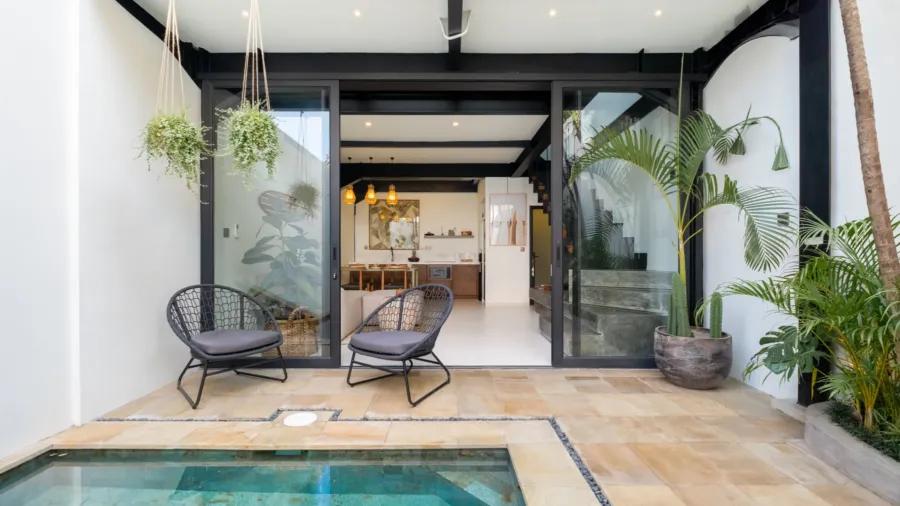
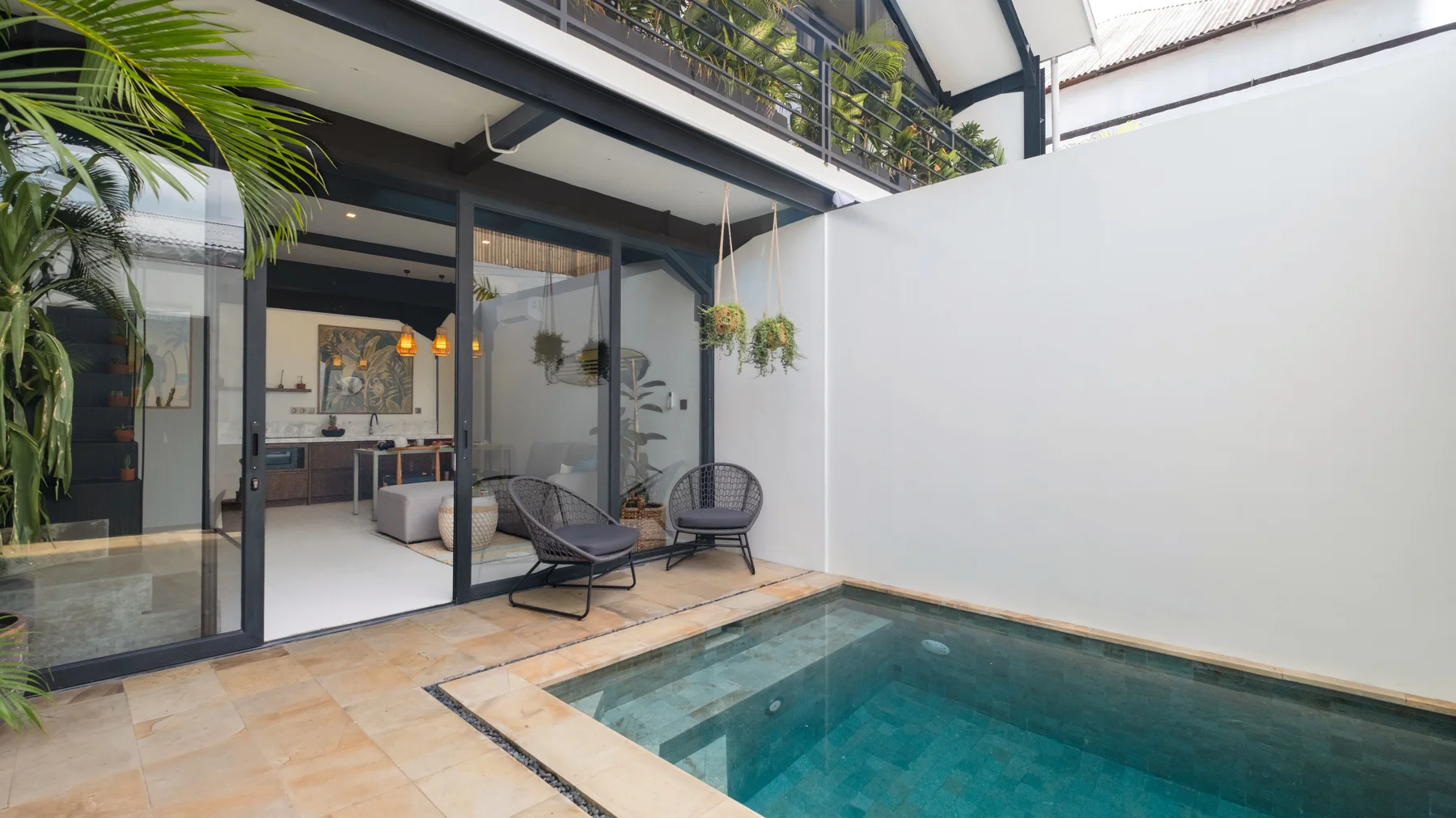
Villa Nala 2 — 1BR Villa with Private Pool in Bingin, Uluwatu
Villa Nala 2 is a chic one-bedroom retreat in Bingin, on Uluwatu’s Bukit Peninsula, where tropical calm meets clean, modern design. Made for couples and solo travellers, it’s a breezy, laid-back base for slow mornings,…
 Up to 10% off
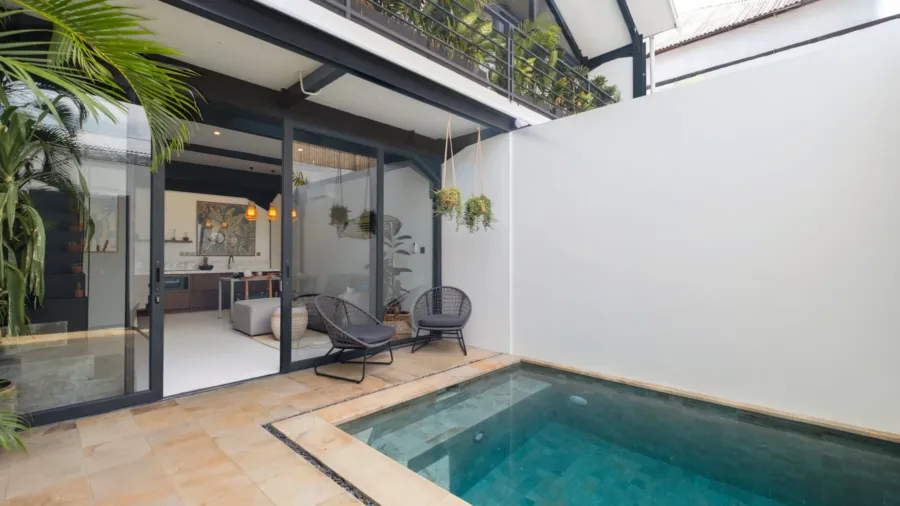
Villa Nala 1 — 1BR Villa with Private Pool in Bingin, Uluwatu
Villa Nala 1 is a design-led one-bedroom hideaway in Bingin, one of Uluwatu’s most-loved surf and cafe neighbourhoods. Contemporary and pared-back inside, it’s built for couples and solo travellers who want somewhere calm and private…
 Up to 30% off
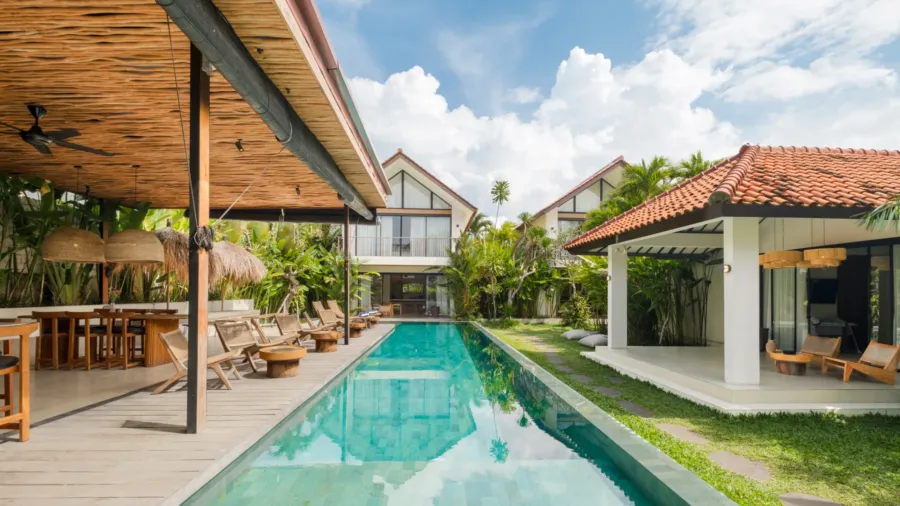
Lexington Palace Villa — 6BR Estate of Three Villas with a Long Pool and Bar Pavilion in Uluwatu
Lexington Palace Villa is not one house but three, arranged around a single long pool in Ungasan on the Bukit peninsula. Each villa is self-contained: its own lounge, its own dining table, its own full…
Not sure which villa is right for you?
Browse every Uluwatu villa we list — or tell us what matters (bedrooms, budget, walk-to-beach) and we'll match you to the right place, no pressure.
Why stay in Uluwatu.
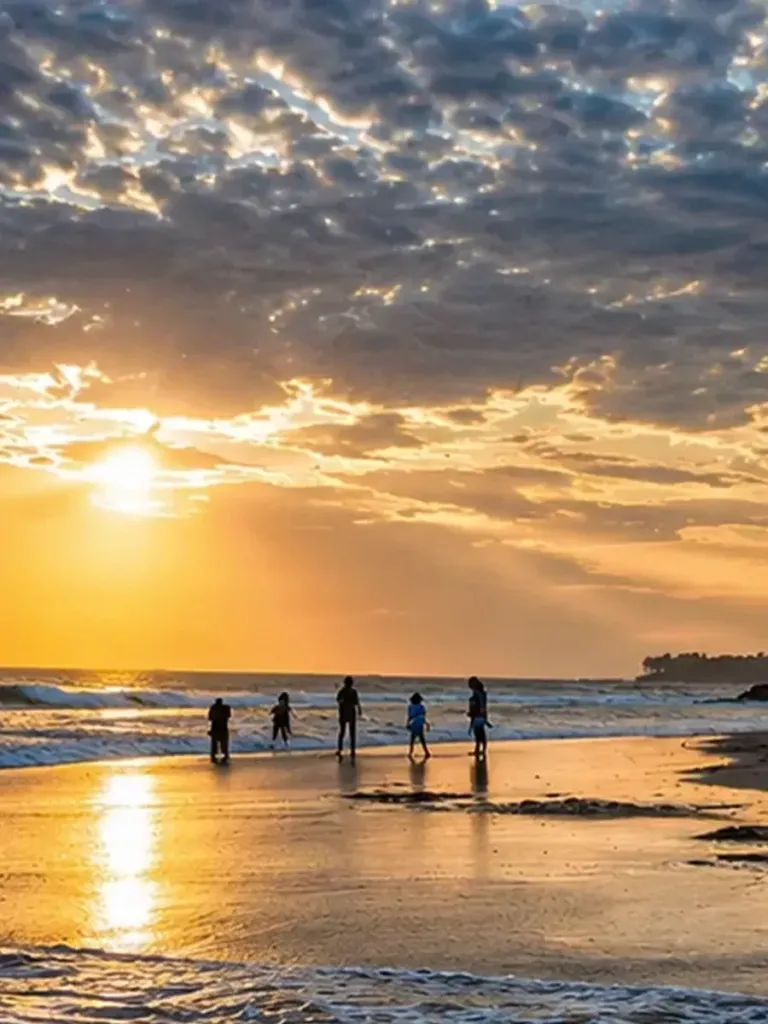
Uluwatu is the southern tip of Bali — the limestone peninsula known as the Bukit, where the rice fields end and 70-metre cliffs start. The west coast has some of the best surf in Indonesia, the sunsets are watched from clifftop bars rather than the beach, and the landscape is more dramatic than anywhere else on the island.
It's also the closest "destination Bali" to the airport — under 30 minutes if traffic is light. Where Canggu is the buzzy beach town and Ubud is the inland slow-down, Uluwatu is the dramatic edge.
A typical day looks like this: surf at first light at Bingin or Padang Padang, climb the cliff stairs back up, breakfast at one of the warungs on the rim, an hour or two by the pool or on a clifftop daybed, sunset at Single Fin or one of the Karang Boma viewpoints, dinner at a long table somewhere on the peninsula.
Distances are bigger than Canggu — most things are 5–15 minutes apart by scooter or car, and Uluwatu Temple is a 10–15-minute drive from Bingin. Walking between things isn't really an option; you'll need a scooter or driver for everything.
Within the Bukit, where you stay matters. Uluwatu / Karang Boma is the western surf-cliff strip — the most dramatic landscape, closest to the temple and Single Fin. Bingin and Padang Padang sit ten minutes north — proper surf villages, more compact, faster to the beaches.
Pecatu is the central plateau — quieter, residential, scooter to everything. Nusa Dua and Tanjung Benoa are on the eastern side — calm-water beaches, big resort hotels, a very different feel from the surf cliffs (some travellers like the contrast — surf cliffs in the morning, calm-water beach in the afternoon).
Uluwatu is the area of Bali changing fastest right now. Five years ago this was a quieter surf coast with a handful of cliff bars; today new villas are going up across the peninsula every month, the inventory ranges from eco-friendly bamboo retreats to full-on luxury cliff-edge compounds, and Pecatu in particular is developing at a remarkable pace.
The surf scene is still the heartbeat of the area — the same crowd that ride the breaks at 7am are at Single Fin at sunset — but you can also find quiet plateau villas, design-led boutique stays, family compounds and serious wellness retreats depending on what you want.
We've personally visited every villa we list, so we can usually tell you which side of the Bukit suits your trip — surf-cliff for first light, plateau for quiet, eastern side for calm-water beaches.
If you want the buzz of a coastal town instead, Canggu is roughly an hour north. If you want jungle and slow mornings, Ubud is the call. Browse our villas in Uluwatu to see what's available across the peninsula. If being close to the surf matters, our one-bedroom pool villas Villa Nala 1 and Villa Nala 2 sit in Bingin village, a few minutes by scooter (or a 15-minute walk) from the cliff stairs — or compare every area on our Bali villas page. Staying longer? Across the Bukit a two-bedroom runs IDR 30–80M a month and a three-bedroom IDR 30–95M — see what a Bali villa costs monthly, or browse our long-term rentals on the Bukit, from a three-bedroom with rooftop sea-view kitchen in Ungasan upward.
Uluwatu is what happens when Bali stops being flat.
Where to eat & drink.
-
Breakfast / café
Drifter Cafe (Uluwatu)
Surfer-flavoured café and bookshop on the road into Uluwatu. Big breakfasts, smoothie bowls, proper coffee, a shop full of surf wax, magazines and books. Reliable for the morning after a hard surf or a late dinner — the kind of place where boards lean against the wall outside.
-
Beach club / lunch
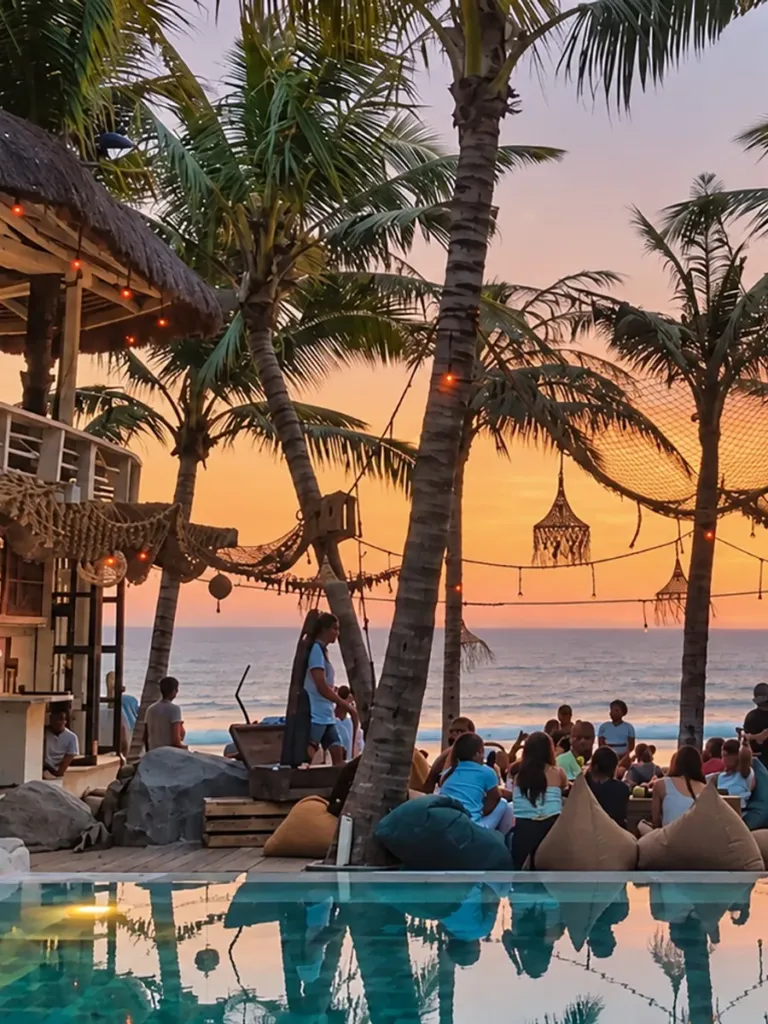
La Joya (Balangan)
Mediterranean-influenced beach club on Balangan beach. Pizza wood-fired, daybeds on the sand, calmer than the cliff-side bars on the surf coast. Best as a long lunch into a late-afternoon swim. Reservations help on weekends and high season.
-
Evening / live music
The Cashew Tree (Pecatu)
A Pecatu institution — open-air bohemian compound, plant-leaning Mediterranean kitchen, an even mix of expats, locals and travellers. Thursday night is the one to plan around: live music, packed crowd, the closest thing to a proper Bukit night out.
-
Dinner / cliff
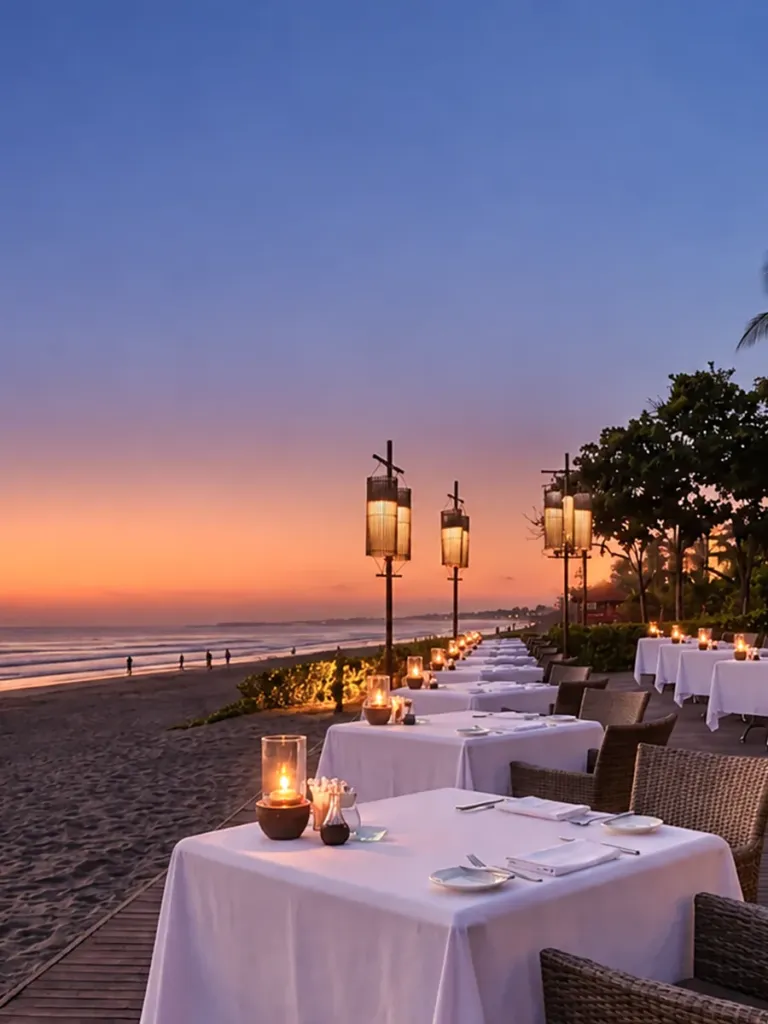
El Kabron (Pecatu)
Spanish-Mediterranean restaurant on a private cliff above the western coastline. Wood-fired paella, an excellent wine list, infinity pool by the bar — built for sunset. Reservations essential, especially in high season. Dress is smart-casual; arrive 90 minutes before sunset to get the full setup.
-
Sunset / drinks
Single Fin (Uluwatu cliff)
The Bukit's most famous sundowner — perched on the cliff above Suluban beach, with the surfers and the after-surf crowd all there at the same time. Cocktails over the water, live DJ on Sundays, the original Uluwatu cliff-side bar. The view is the whole point; food is fine, not the reason to come.
-
Day club
Sundays Beach Club (Karma Kandara)
Private-cove beach club on the south-east cliffs — funicular down to a calm-water beach, daybeds in the sand, swimming, paddleboards, BBQ at sunset. Day passes available. Pricier than the cliff bars, but the cove is genuinely special and the funicular makes the beach accessible without the cliff stairs.
What to do here.
-
01
Surf Bingin or Padang Padang
Reef break, intermediate–advancedTwo of the best-known reef breaks in Indonesia. Bingin is the more forgiving (still reef, but shorter and gentler than Uluwatu proper); Padang Padang is the famous "Balinese Pipeline" tube. Both are crowded at peak; check tides before you paddle out. Beginners should head to the beach break at Balangan or take lessons in Canggu first.
-
02
Kecak fire dance at Uluwatu Temple
From IDR 150,000, 6pm dailyBali's most famous cultural performance — 70 men in a circle, no instruments, a story from the Ramayana told entirely with voice and fire. Held in an open-air amphitheatre on the cliff edge as the sun goes down. Arrive 45 minutes early to get a sea-facing seat; the temple itself is worth a walk before the show.
-
03
Sunset at Karang Boma cliffs
FreeThe cliff edge between Uluwatu and Nyang Nyang — a 70-metre drop, no fences, the cleanest sunset view on the peninsula and free. Drive or scooter to the marked car park, walk five minutes through the scrub. Take care: there are no railings and the wind picks up at golden hour. Stay back from the edge.
-
04
Beach hop the Bukit
Half day, free–IDR 50,000 per beachBingin → Padang Padang → Dreamland → Nyang Nyang. Each beach has its own character (Padang Padang the most photographed, Nyang Nyang the longest and quietest, Dreamland the easiest to access). Each takes some stairs; bring water, reef shoes, and accept that car parking is the main expense.
-
05
Day trip to Nusa Lembongan or Penida
From IDR 1,500,000 per personSpeedboat from Sanur (45–60 min from Uluwatu by car) to one of the smaller islands — Lembongan for snorkelling and chill, Penida for dramatic cliff viewpoints (Kelingking, Angel's Billabong, Broken Beach). A long day; book through a reputable operator and start early.
Is Uluwatu for you?
Our opinion, not guest ratings.
Uluwatu at a glance.
-
Pool villa, booked 4 months ahead
IDR 2.1M / night
1BR pool villa in Bingin from about IDR 2.1M/night, 5BR from IDR 13M; Christmas–New Year runs 35–40% higher and min-stays go to 3 nights
-
Staying a month or more
IDR 30–80M / month
Across the Bukit a two-bedroom villa runs IDR 30–80M a month and a three-bedroom IDR 30–95M — from our analysis of 1,500+ live long-term listings across our own portfolio and two Bali agencies, reviewed August 2026
-
Getting here
20–40 min
20–40 min from the airport — the closest destination area; Uluwatu Temple is 10–15 min from Bingin, nothing is walkable
Who Uluwatu is not for.
Uluwatu isn't the easiest base for families with very young children. Most of the beaches sit at the bottom of long cliff staircases — beautiful but real exercise — and the area is spread out, so getting between things needs a scooter or a driver. If young children, prams or limited mobility are part of the trip, Sanur is the easier coastal alternative — our three-bedroom family villa in Sanur was built for exactly that trip.
The peninsula is also quieter than Canggu or Seminyak — fewer cafés, no late-night clubs, dinner at one of a handful of cliff restaurants rather than dozens. If buzzy nightlife is the point, the south-coast beach towns are an hour north.
None of this is a deal-breaker for the right trip — Uluwatu earns its place by being more dramatic, more open, and built around the cliff-and-surf landscape rather than around a town centre.
Uluwatu vs neighbouring areas.
Quick guide to which neighbouring area might fit better depending on what you're after.
| Area | Vibe | Crowd | Pace |
|---|---|---|---|
| Uluwatu | Cliffs, surf, dramatic | Surfers / couples | Sunset-driven |
| Canggu | Surf town, café-heavy | Younger | Constantly on |
| Seminyak | Polished, beach clubs | Holiday | Grown-up |
| Nusa Dua | Calm beach, big resorts | Older / families | Quiet |
Common questions.
Is Uluwatu safe?
Uluwatu is among the safer areas in Bali — and Bali is one of the safer destinations in Southeast Asia. The villa pockets are residential and quiet, the surf beaches have a regular crowd, and the long-term expat community gives the area a watchful feel.
Apply common sense: don't ride a scooter at night with a phone or bag dangling, and lock valuables when you leave the villa. The road is the only thing to take seriously if you've never ridden a scooter before — the Bukit roads are wider than Ubud's but faster, and the southbound traffic on Jl. Bypass Nusa Dua can be intense at peak hours.
If you're not confident on a scooter, Grab works in most of the Bukit and private drivers cover the rest.
How do I get around in Uluwatu?
You'll need wheels. Walking is rarely an option here — distances are bigger than the south-coast beach towns and most villas sit on cliff-edge or plateau roads with no pavements.
Three options: scooter rentals run IDR 80,000–130,000/day with helmet and are the fastest way to move; Grab and Gojek work in most of the Bukit, though coverage is patchier than central Bali and some restaurants don't allow them in; private drivers are the most useful for day trips and surf-board logistics — IDR 500,000–800,000/day with a car and English-speaking driver.
Surf-board taxis (small flatbed scooters) exist for moving boards between breaks.
Best time of year to visit Uluwatu?
Same dry/wet seasons as the rest of Bali, with a Bukit-specific surf nuance. Dry season (May–September) brings the famous offshore winds and the cleanest waves at Uluwatu, Padang Padang and Bingin — peak surf, peak crowds.
Wet season (November–March) shifts the cleaner swell to the east coast (Nusa Dua side), so the west cliffs go quieter on the surf front, but the cliff-top sunsets remain excellent.
Crowd-wise: avoid late December (busy and pricey) and August (peak surf travellers). October and April are the sweet spots — fewer people, still good waves.
Is Uluwatu good for surfers?
Yes — for intermediate to advanced surfers, this is one of the best surf coasts in the world. The west cliffs (Uluwatu, Padang Padang, Bingin, Impossibles) are reef breaks — clean, fast, often hollow, with offshore winds in dry season.
They aren't beginner waves; the takeoff zones are competitive and the reef is real. Beginners should head to the gentler beach breaks at Balangan or Dreamland, or take lessons in Canggu first.
There's a strong surf-school presence at Bingin and Padang Padang for early-intermediate riders, and experienced surfers can paddle out at any of the breaks. We can connect you with shapers, board rentals and a regular driver.
Cliff villa or beach villa — which should I book in Uluwatu?
Know what you're buying with each. Uluwatu doesn't do beachfront the way Seminyak does — the coastline is 70-metre limestone cliff, so "beach villas" here usually means villas at the top of the stairs above Bingin, Padang Padang or Dreamland, a short walk from the sand rather than on it. Cliff villas trade beach access for the drama: ocean views, sunset from the pool, and a drive to the nearest stairs. Surf villas cluster around Bingin and Padang Padang so you can check the break from breakfast. If daily swimming with kids is the plan, the calm-water eastern side (Nusa Dua) or Sanur beats both. Tell us which of those matters most and we'll point you at the right pocket.
How much should I budget?
For a couple in a private pool villa booked three to four months ahead: from about IDR 2,100,000/night for a one-bedroom in Bingin, IDR 12,000,000–13,000,000 for a five-bedroom, and open-ended at the top of the cliff. Christmas to New Year runs 35–40% higher with three-night minimums, and July–August surf season sells out early. Booking direct gets our best rate — never higher than the booking sites, with no hidden fees or extra charges.
Eating out is reasonable — IDR 200,000–450,000 for two at a warung, IDR 750,000–1,500,000 at the better cliff dinner spots, around IDR 350,000 a head at most cafés including coffee.
Add IDR 450,000–900,000/day for transport — Uluwatu villas almost always need a driver or scooter, and surfers may want a board taxi for the breaks.
Is Uluwatu hard with kids?
It depends on the ages. Older kids and teens have a great time — the beaches are dramatic, the cliff-jumping is exciting, and there's enough swimming and surfing to fill days.
Younger kids and toddlers find it harder: most of the beaches sit at the bottom of long cliff staircases (proper exercise, not buggy-friendly), and the area is spread out so you'll be in a car a lot. Sundays Beach Club is a useful workaround — it has a funicular instead of stairs and a calm cove.
Pool fences and childproofing kits rent locally and most villas can install them before arrival. For young families, Sanur or central Canggu are easier overall.
Most of our family guests with toddlers in Uluwatu pick a villa with a great pool and treat the beach as an occasional outing rather than the daily plan — and that combination works well.
Find the right Uluwatu villa for your stay
Talk to our local team — fastest answers via WhatsApp.